

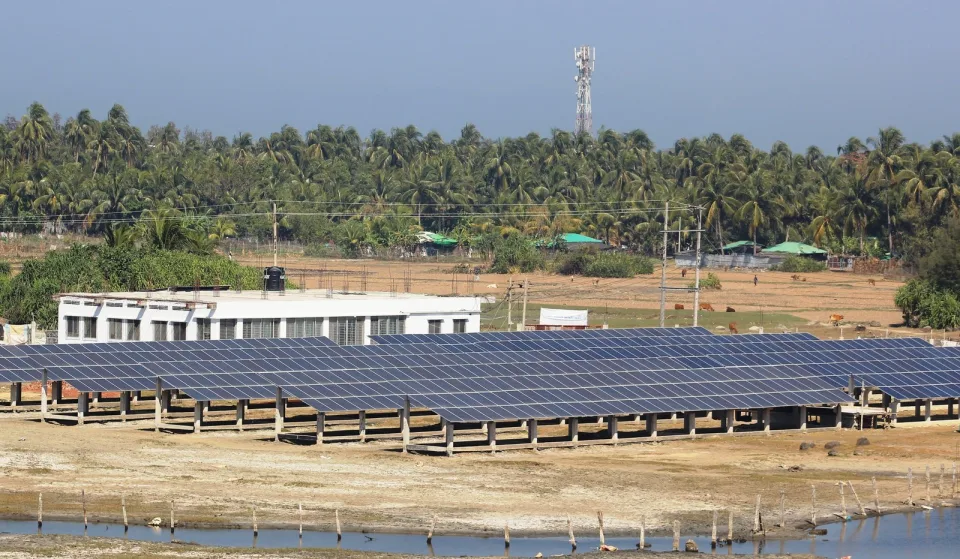
250 kWp
- Location
- St Martin's Island, Teknaf, Cox's Bazar
- Year
- 2019
- CER role
- Designer
- Serves
- 336 households, 157 shops
The Centre for Energy Research at United International University designs solar mini-grids and grid-tied plants, drafts national energy policy, and tests the solar equipment sold in Bangladesh. Established in September 2010 in the Department of EEE.
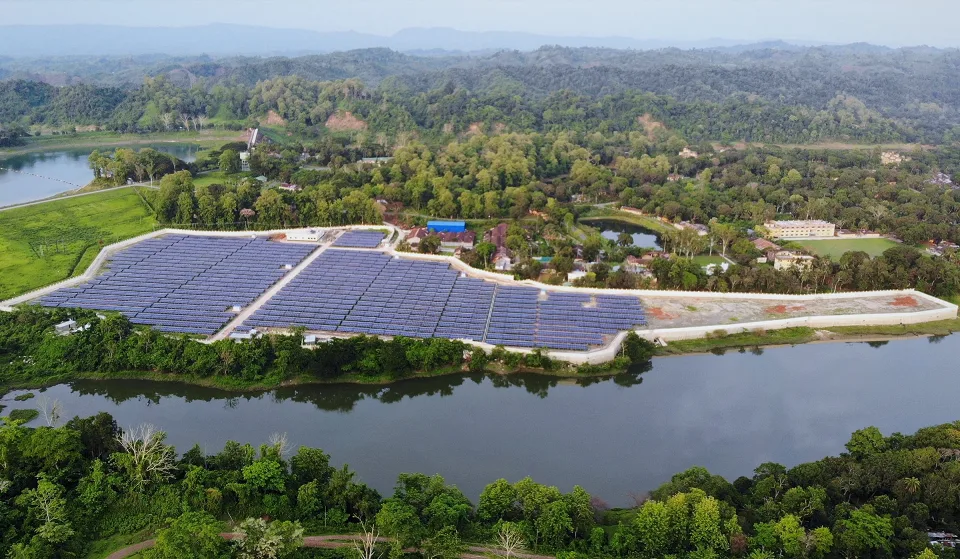
The 22 mini-grids we designed supply 14,574 households on chars and islands the national grid does not reach, along with their shops, schools and irrigation pumps.
Background: UIU's academic building at United City, Dhaka, with solar arrays on its roof.
Rules that now decide how Bangladesh connects rooftop solar and solar irrigation to the grid.
Approved
Draft submitted
CER tests and certifies solar home system equipment against the Bangladesh standard for IDCOL, and runs the Huawei–CER UIU Solar Lab for PV safety testing.

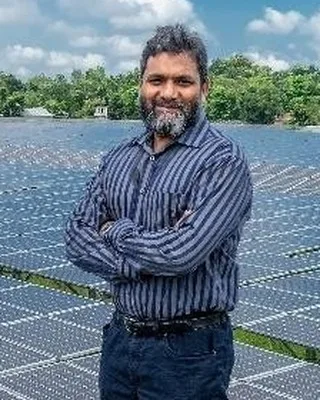
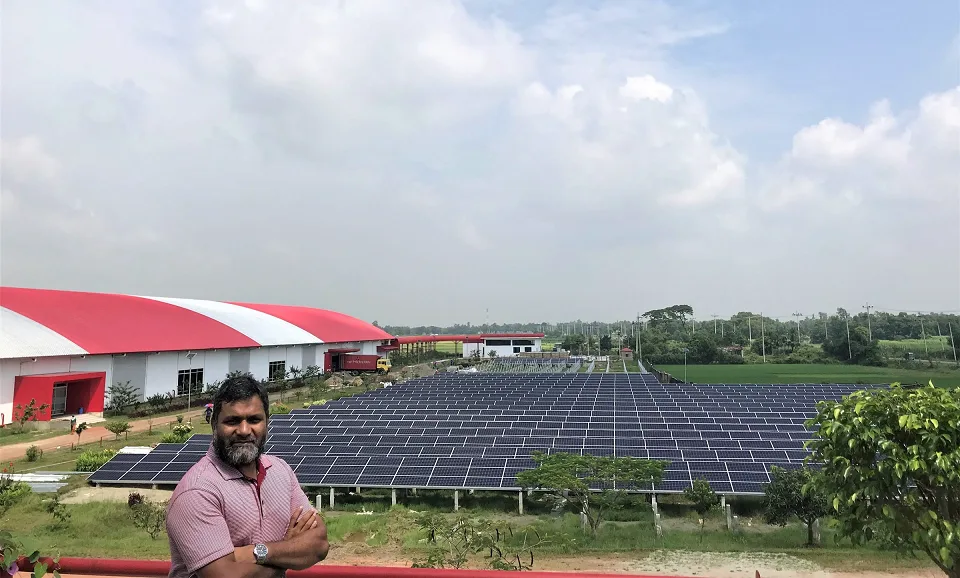
Founded CER in 2010. Designed Bangladesh's first utility-scale grid-tied solar plant by a private producer and more than 20 solar mini-grids on off-grid islands; sole consultant for the national Net Metering Guideline and the solar irrigation grid-integration guideline. Principal investigator of the UN Momentum for Change and InterSolar award-winning peer-to-peer smart village grid. Has trained more than 2,000 engineers and technicians in solar PV.
United Nations, UNDP, UNEP, World Bank, Asian Development Bank, European Union, European Climate Foundation / TARA, GIZ, DAAD, DECC, EPSRC, DFID, SERIS, NUS, IDCOL, Ministry of Power, Energy and Mineral Resources and Huawei.